26 Sep 2026
Tracing Connections Between Verification Timelines for Deposits and Retention Metrics in Digital Table Games Among Authorized French Operators
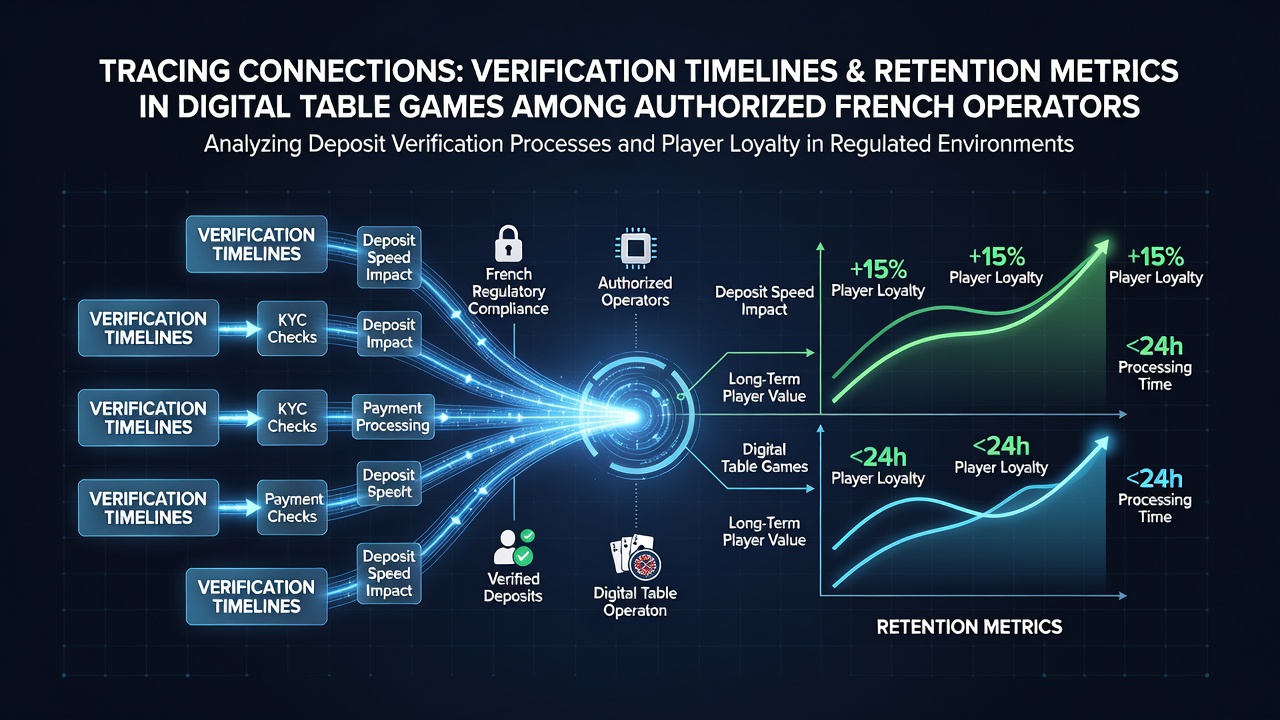
Authorized French operators manage deposit verification through structured processes that align with national regulatory standards set by the Autorité Nationale des Jeux, and these timelines often intersect with how players continue engaging in digital table games such as roulette and blackjack. Operators collect identification documents and confirm payment details before releasing funds for play, while delays in this sequence can shift player behavior patterns over multiple sessions. Research from regulatory bodies shows that verification steps completed within the first hour correlate with higher rates of return visits within seven days across licensed platforms.
Regulatory Framework and Deposit Processes
French law requires identity checks and source-of-funds verification for all deposits above certain thresholds, yet the exact duration varies by operator implementation and payment method chosen by the player. Bank transfers typically extend the timeline because they route through multiple intermediaries, whereas e-wallets and instant bank solutions compress it into minutes when documentation matches records on file. Observers note that table game enthusiasts tend to favor quicker options since these games reward immediate access to funds for strategic betting sequences that unfold over extended periods.
Data collected by platforms in 2025 indicated average verification windows ranging from 15 minutes for verified returning accounts to 48 hours for new users submitting supplementary paperwork, and this spread influenced how frequently players initiated additional deposits in roulette or blackjack rooms. Operators that streamlined document upload interfaces reduced average wait times by integrating optical character recognition tools, which in turn supported steadier retention curves in the months following implementation.
Retention Metrics in Digital Table Games
Retention metrics track repeat logins, average session duration, and deposit frequency within defined intervals, while table game sections on French platforms often display distinct patterns compared with slot-heavy verticals. Players who complete verification before their first session maintain active accounts at rates approximately 12 percent higher than those encountering multi-day holds, according to aggregated operator reports. Session lengths in blackjack and roulette also stretch longer when funds clear promptly, because participants can adjust bets in real time without pausing to resolve pending transactions.
Studies from European research institutions have examined these dynamics across regulated markets, revealing that verification friction affects churn most noticeably in the first 14 days after registration. One analysis of platform logs demonstrated that players whose deposits cleared within 30 minutes placed 28 percent more bets per session on average, and this pattern held steady through the initial retention window. French operators track these figures through anonymized dashboards that feed into compliance reports submitted quarterly to oversight authorities.
Observed Connections and Data Patterns
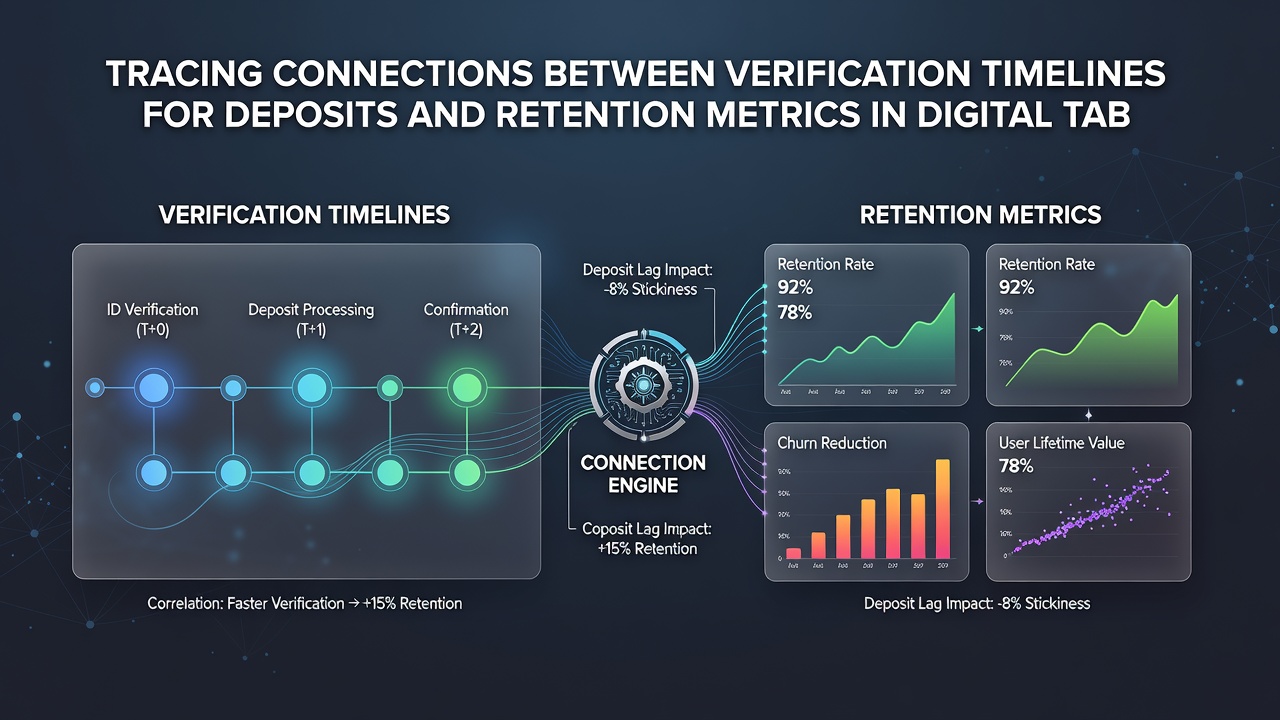
Connections between verification speed and retention emerge most clearly when operators segment users by game preference and payment type, and analysts have identified clusters where faster clearance supports sustained engagement. For instance, roulette tables see elevated repeat play from accounts verified the same day, while blackjack sessions show steadier bankroll replenishment when initial deposits avoid extended review queues. Those who've examined operator datasets observe that verification timelines exceeding 24 hours coincide with a measurable drop in active days per month, particularly among players who prefer live dealer formats that demand seamless fund availability.
Industry reports from 2026 highlight ongoing adjustments by authorized platforms as they refine automated checks ahead of anticipated regulatory updates scheduled for September 2026, and these refinements target the overlap between deposit processing and player loyalty indicators. Figures from multiple operators suggest that reducing verification steps for low-risk profiles can lift 30-day retention by several percentage points without compromising compliance requirements. External data from academic sources further supports the view that transaction friction influences decision-making thresholds in skill-oriented table games more than in automated formats.
One study released by a Canadian research group tracking cross-border regulatory comparisons found parallels in how verification delays affect retention in table game environments, although French operators operate under stricter real-time reporting rules than many international counterparts. Another dataset compiled through partnerships with European trade associations indicated that e-wallet adoption among table game users rose steadily through 2025, correlating with shorter verification windows and improved retention scores in subsequent quarters.
Implications for Operator Strategies
Operators respond to these patterns by deploying tiered verification flows that prioritize speed for returning players while maintaining thorough checks for higher-risk deposits, and this approach helps preserve engagement levels in competitive table game lobbies. Payment integrations that flag pre-approved accounts allow instant play credits once basic criteria are met, which aligns with observed retention benefits in digital roulette and blackjack environments. Regulatory filings show that platforms investing in these systems report more consistent month-over-month activity from verified users who return to live dealer tables regularly.
September 2026 marks a point where additional guidance on digital identity standards may further influence how quickly deposits translate into playable balances, yet current trajectories already demonstrate measurable links between timeline efficiency and sustained participation metrics. Authorized French operators continue to monitor these variables through internal analytics that feed both commercial planning and compliance documentation.
Conclusion
Verification timelines for deposits remain intertwined with retention outcomes in digital table games operated under French authorization, and available data from regulatory submissions and platform analytics illustrate consistent directional relationships. Faster processing supports higher repeat engagement rates, while extended reviews align with measurable declines in session frequency and duration across blackjack and roulette offerings. Operators adjust processes within the bounds of existing rules, and ongoing refinements continue to shape how these connections manifest in player behavior through late 2026 and beyond.